
Human factor a basis for aviation safety culture
The airports are equipped with advanced anti-terrorist equipment: X-ray screening systems, metal detectors, body scanners, explosives detectors, intelligent video monitoring systems, and so on. Modern equipment detects and identifies threats with high precision but does not guarantee security. Even automated systems can’t prevent a disaster without expert assessment and careful monitoring by employees. The lives of thousands of people depend on the decisions and actions of security personnel.
HUMAN FACTOR – THREAT TO TRANSPORT SAFETY
The largest disaster over the Sinai Peninsula occurred in 2015. An improvised explosive device exploded on board of the airliner Airbus A321-231 Russian airline Kogalymavia. The investigation found that the bomb was carried by an employee of Sharm el-Sheikh International Airport hiding it in the cargo department of the aircraft.
Why didn’t airport security personnel find the explosive device on the pre-flight inspection? A Sharm El Sheikh airport employee who turned out to be a terrorist had not been screened. Security at Sharm El Sheikh airport trusted the employees, so they did not check their belongings.
85% of air crashes are caused by human factor. The equipment detects dangerous objects, but the final decision is made by the X-Ray operator. The safety of passengers depends on their professionalism and vigilance, and they are responsible in case of emergency.

HUMAN ERROR PREVENTION
The global aviation industry is working on prevention of disasters caused by human error. They train airport staff and passengers in safety rules, social responsibility and conduct in emergency situations. The set of measures to work with people is called the safety culture.
SECURITY TRAINING
The objective of the security culture program is to train aviation security personnel and improve their professional skills.
Criminals are inventing new ways to cheat airport security. Drugs, guns, contraband are hidden in children’s toys, food, containers, toothpastes, etc.
Airport management can train personnel to detect threats using specialized computer programs. Software products allow training and testing X-Ray operators of different manufacturers: Rapiscan Systems, Smiths Heimann, L3 Communications, Gilardoni, Nuctech, Adani, etc.
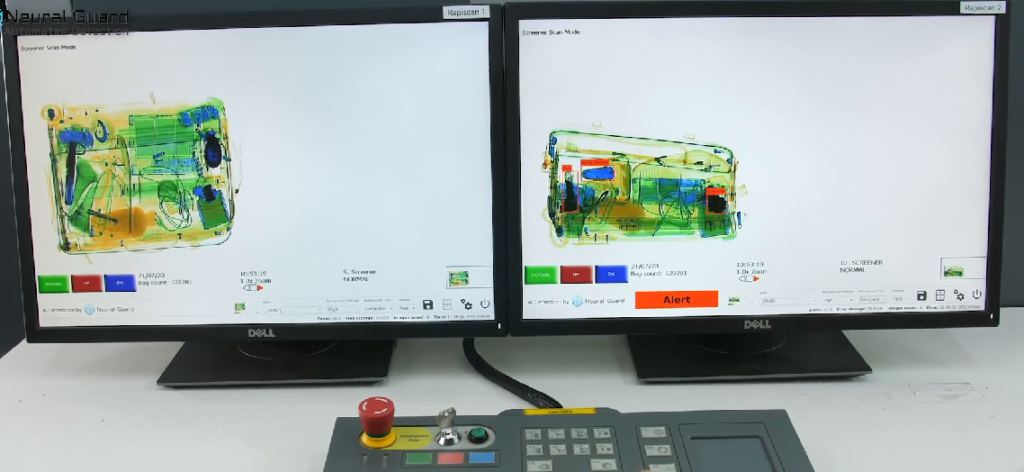
PERFORMANCE MONITORING
Aviation security personnel need to be focused. Telephone distractions, conversations with colleagues and fatigue have serious consequences. A careless operator of X-ray system can let a dangerous passenger or a prohibited item on board of an aircraft. The price of an error is the safety of thousands of people.
The FOCUS system was developed specifically to track human error and prevent threats from penetrating the airport area. The system is based on the principle of video stream analysis from the camera installed on the operator’s workstation screen and the technology of neural network convolution.
FOCUS analyzes the actions of operators of X-ray machines and their physical condition. The camera in 24/7 mode monitors the head position and direction of gaze of the X-ray operator. If an employee is distracted, the system makes an alarm signal. If the operator falls asleep – the system blocks the conveyor belt and stops the inspection. If the operator is in critical condition, the system stops penetration of dangerous objects through the inspection area.
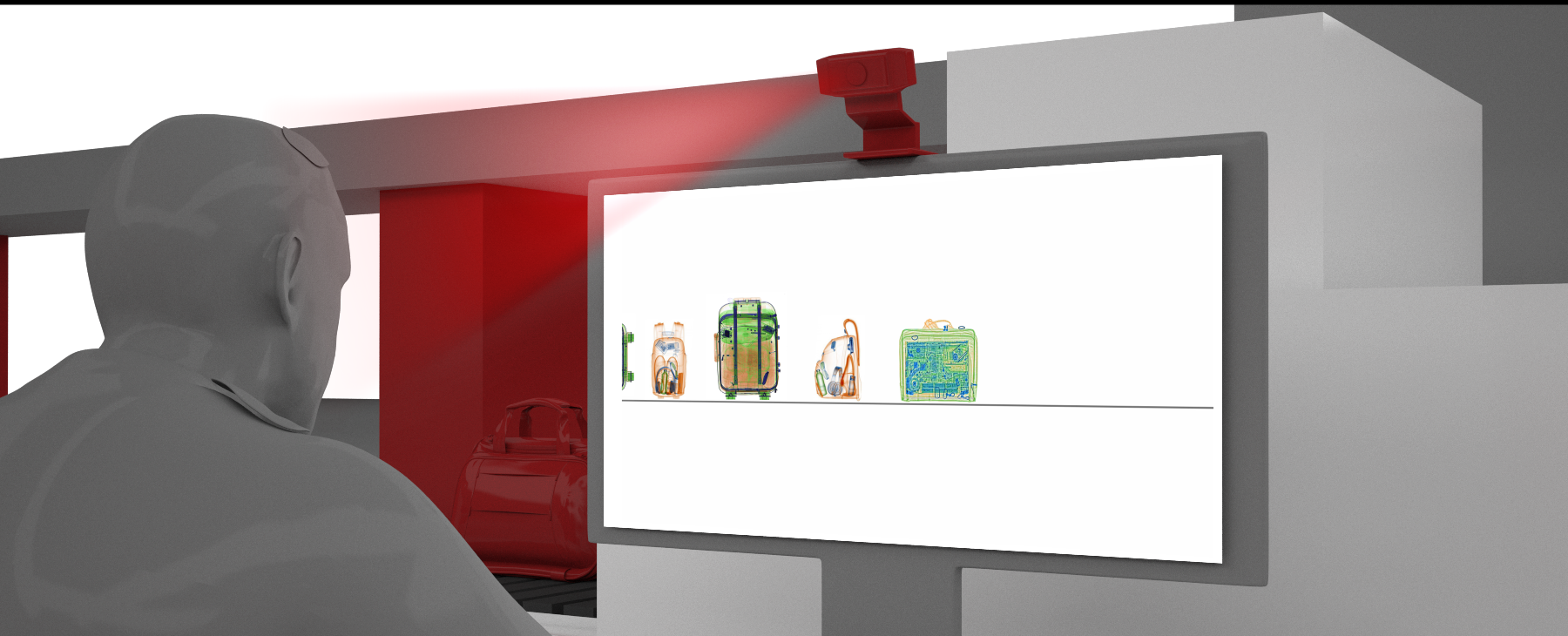
The FOCUS system performs important functions:
- It allows the timely detection of X-ray system operators’ decreased concentration and other human error, and the return of concentration with an audible alarm and blocking of the X-ray conveyor.
- It keeps statistics on the condition of all operators of X-ray systems, which is convenient for determining the rush hours when additional security is needed.
- It eliminates situations where a threat could enter the airport area due to operator defocus, because it initiates a forced shutdown of the X-ray system’s conveyor belt.
The efficient monitoring system accurately determines the level of operator fatigue and involvement in the work process, thus preventing the possibility of tragedies caused by the human factor.

